
Share this :
What Robotic Surgery Represents in Modern Healthcare
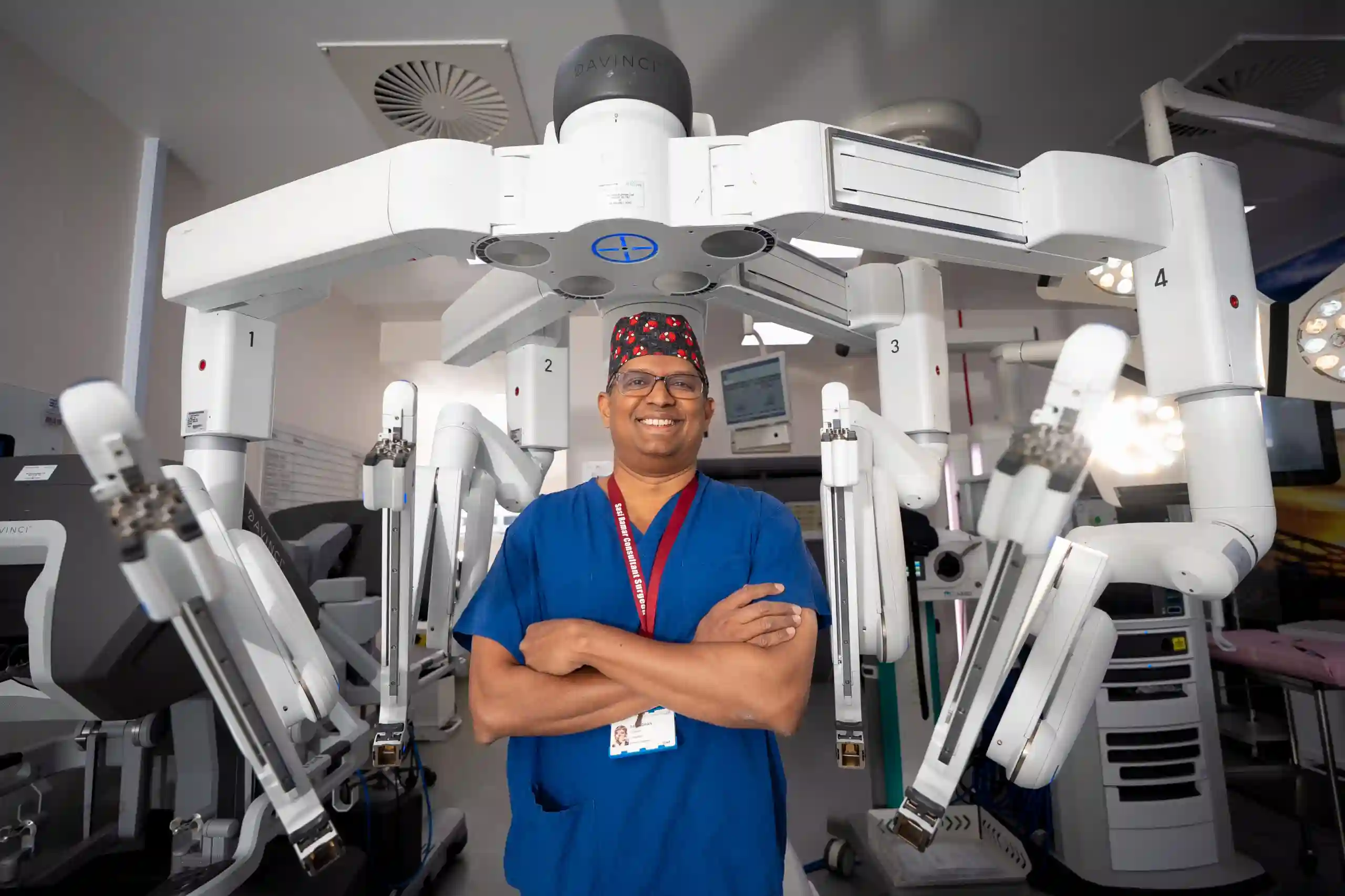
Robotic surgery has emerged as one of the most significant developments in modern surgical practice, reshaping how complex procedures are performed across the UK. Rather than replacing surgeons, robotic systems enhance their precision, control, and visual clarity, allowing procedures to be carried out with greater accuracy. At King’s College Hospital, this evolution has translated into tangible progress, with surgeons successfully completing 1,000 robotic surgery cases within just two years.
This milestone reflects not only the growing adoption of robotic surgery in London but also the increasing trust placed in the technology by both clinicians and patients. Robotic surgery enables surgeons to perform delicate operations through small incisions, often resulting in reduced tissue trauma, shorter hospital stays, and quicker recovery periods. The achievement at King’s highlights how this approach has moved from innovation to everyday clinical practice.
Among the consultants contributing to this advancement is Sasindran Ramar, a highly experienced surgeon associated with the Robotic Surgery Clinic. His work reflects the broader commitment among King’s surgeons to combine surgical expertise with technological excellence in order to deliver consistently high standards of patient care.
Why the 1,000 Case Milestone Matters
Reaching 1,000 robotic surgery cases in two years is more than a numerical achievement. It represents a shift in how surgical care is delivered and experienced within the NHS and private healthcare settings. Each procedure contributes to refined techniques, deeper clinical understanding, and enhanced outcomes for patients undergoing complex surgical interventions.
Robotic surgery offers improved visualisation through high-definition, three-dimensional imaging. Surgeons operate with enhanced dexterity using articulated instruments that mimic the natural movement of the human wrist. These advantages allow greater precision in confined anatomical spaces, particularly in procedures involving the pelvis, abdomen, and thoracic cavity.
The high volume of cases performed at King’s College Hospital demonstrates sustained confidence in robotic surgery as a reliable and effective option. It also highlights the hospital’s investment in training, infrastructure, and multidisciplinary collaboration. Surgeons, anaesthetists, nursing staff, and technical teams work in unison to ensure that each robotic procedure is performed safely and efficiently.
For patients, this experience translates into reassurance. A high case volume often correlates with refined protocols and consistent outcomes. The milestone reinforces King’s position as a centre where advanced surgical care is not experimental but well established.
When Robotic Surgery Became a Core Part of Surgical Practice
The journey towards this achievement did not happen overnight. Robotic surgery at King’s College Hospital has evolved steadily over recent years, with strategic implementation and careful expansion across surgical specialties. Early adoption focused on selected procedures where robotic assistance offered clear advantages over conventional methods.
As surgeons gained experience and confidence, the range of robotic procedures expanded. The two-year period in which 1,000 cases were completed reflects a phase of accelerated integration, supported by growing clinical evidence and patient demand. During this time, robotic surgery transitioned from a specialised option to a core component of surgical pathways.
Consultants such as Sasindran Ramar have played a key role in this progression, applying their expertise to ensure that robotic surgery is used appropriately and effectively. Ongoing professional development and skills training have been central to maintaining safety and achieving consistent results.
The timing of this milestone also aligns with broader trends in UK healthcare, where minimally invasive approaches are increasingly prioritised to improve patient outcomes and optimise hospital resources.
Where Robotic Surgery Is Making an Impact in the UK
London has become a focal point for robotic surgery in the UK, with King’s College Hospital standing out as a leading institution in this field. The hospital’s ability to reach 1,000 robotic surgery cases in two years reflects both its clinical capacity and its commitment to innovation.
Patients from across London and beyond are referred to King’s for advanced surgical care, particularly when robotic surgery offers clear benefits. The hospital’s central location and strong reputation make it a key destination for individuals seeking specialist surgical expertise.
The Robotic Surgery Clinic, associated with experienced consultants like Sasindran Ramar, supports this ecosystem by offering focused expertise and patient-centred care. Through collaboration with hospital teams, the clinic contributes to the delivery of advanced procedures that meet high clinical standards.
Robotic surgery in the UK continues to expand, but milestones such as this underscore London’s role in shaping national progress. They also highlight the importance of experienced surgeons and well-equipped centres in ensuring that technological advances translate into real-world benefits.
The Role of Skilled Surgeons in Robotic Procedures
While robotic systems are technologically advanced, the success of robotic surgery ultimately depends on the skill and judgement of the surgeon. Robotic platforms do not operate independently; they respond precisely to the surgeon’s movements and decisions.
Surgeons like Sasindran Ramar bring years of clinical experience to robotic procedures, combining traditional surgical knowledge with advanced technical skills. This balance is essential in ensuring that robotic surgery is used to enhance outcomes rather than simply introduce new tools.
At King’s College Hospital, surgeons undergo rigorous training and credentialing before performing robotic procedures. Continuous learning and peer collaboration further support high standards of care. The 1,000 case milestone reflects not only technological adoption but also the collective expertise of the surgical teams involved.
Patients benefit from this depth of experience, as surgeons are better equipped to anticipate challenges, adapt techniques, and deliver personalised care based on individual needs.
How Robotic Surgery Benefits Patients
Robotic surgery is often associated with smaller incisions, reduced blood loss, and lower risk of complications. These benefits can lead to less post-operative pain and a quicker return to daily activities. For many patients, this translates into a more positive surgical experience and improved overall satisfaction.
The precision offered by robotic systems allows surgeons to operate with greater confidence in complex cases. This can be particularly valuable in procedures where preserving surrounding structures is critical. As a result, robotic surgery may offer functional benefits alongside effective treatment.
The growing number of robotic procedures performed at King’s College Hospital suggests that these benefits are being realised consistently. Patient outcomes and feedback play a vital role in shaping ongoing use and refinement of robotic techniques.
Looking Ahead for Robotic Surgery at King’s
The completion of 1,000 robotic surgery cases in two years marks a significant point in King’s journey, but it is not an endpoint. Ongoing research, training, and investment are expected to further expand the role of robotic surgery across additional specialties.
As technology continues to evolve, surgeons will have access to enhanced systems and tools. Combined with clinical expertise, these advancements have the potential to further improve outcomes and redefine surgical standards.
Consultants such as Sasindran Ramar remain central to this future, contributing experience, leadership, and patient-focused care to the continued development of robotic surgery in the UK.
Frequently Asked Questions
What is robotic surgery and how does it work
Robotic surgery is a form of minimally invasive surgery where surgeons use robotic systems to perform procedures with enhanced precision. The surgeon controls the robotic instruments in real time, allowing for accurate movements and improved visualisation.
Why is the 1,000 case milestone important
Completing 1,000 robotic surgery cases in two years demonstrates extensive experience, established protocols, and consistent patient outcomes. It reflects the successful integration of robotic surgery into routine clinical practice.
Who performs robotic surgery at King’s College Hospital
Robotic surgery at King’s College Hospital is performed by highly trained surgeons, including experienced consultants such as Sasindran Ramar, who specialise in advanced surgical techniques.
Where can patients access robotic surgery in London
Patients can access robotic surgery at leading centres such as King’s College Hospital in London, supported by specialist clinics like the Robotic Surgery Clinic.
Is robotic surgery widely available in the UK
Robotic surgery is increasingly available across the UK, particularly in major hospitals. Its use continues to expand as clinical evidence and surgical expertise grow.