
Single Port Hernia Surgery
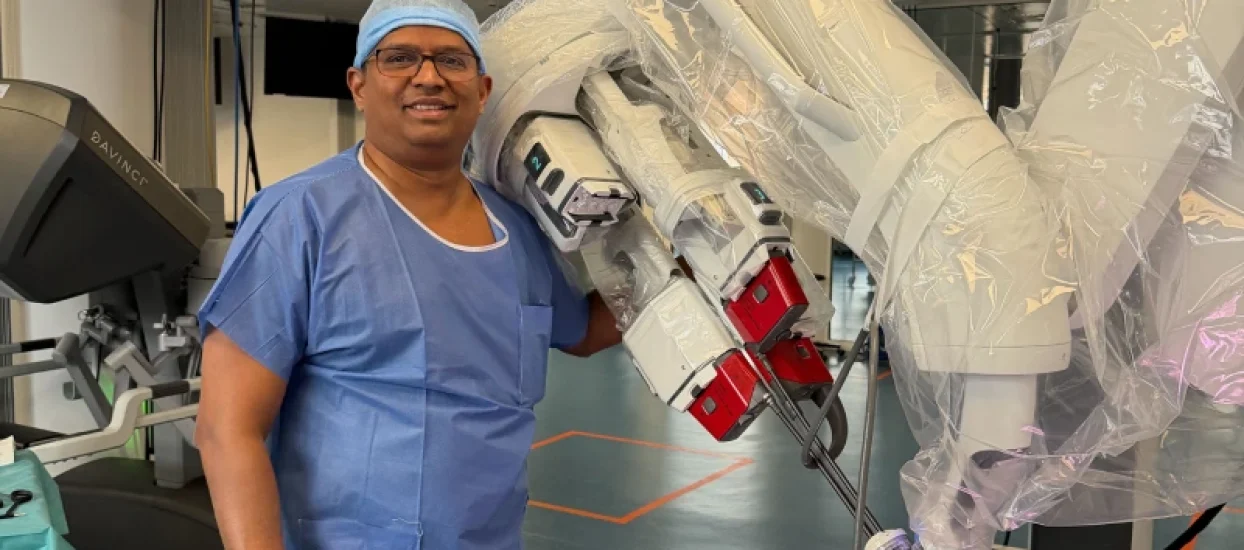
Mr. Sasindran Ramar, a distinguished robotic surgeon based in London, UK, offers advanced surgical solutions for hernia repair. Among these is the innovative single port hernia surgery, a minimally invasive procedure designed to provide patients with a faster recovery, reduced pain, and improved cosmetic outcomes. This page provides comprehensive information about this state-of-the-art surgical technique.
What is Single Port Hernia Surgery?
Single Port Hernia Surgery, also known as Single Incision Laparoscopic Surgery (SILS), is a modern surgical technique that involves repairing a hernia through a single, small incision, typically in the navel. This approach contrasts with traditional open surgery, which requires a larger incision, and multi-port laparoscopic surgery, which uses several small incisions. By utilizing a single entry point, surgeons can insert all the necessary instruments, including a high-definition camera and specialized surgical tools, to perform the repair. The use of robotic technology, such as the da Vinci Surgical System, further enhances the precision and control of the procedure, allowing for intricate movements and a clear, magnified view of the surgical area.
This technique can be used to treat various types of hernias, including:
- Inguinal Hernias: Occurring in the groin area.
- Ventral Hernias: Developing in the abdominal wall.
- Umbilical Hernias: Found near the navel.
Why Choose Single Port Hernia Surgery?
- Minimally Invasive Approach
The primary advantage of single port hernia surgery is its minimally invasive nature. A single, small incision results in less trauma to the body, which translates to a host of patient benefits. The reduced tissue disruption contributes to a more comfortable and swifter recovery period.
- Enhanced Precision with Robotic Technology
The integration of robotic platforms like the da Vinci system has revolutionized single port surgery. The robotic arms, controlled by the surgeon from a console, offer a greater range of motion and stability than the human hand. This enhanced dexterity, combined with 3D high-definition vision, allows for meticulous dissection and suturing, which is particularly beneficial in the confined space of a single port procedure.
- Faster Recovery and Less Pain
Patients who undergo single port hernia surgery typically experience less postoperative pain compared to those who have open surgery. The smaller incision and reduced muscle damage contribute to a more comfortable recovery. Most patients can return to their normal daily activities within a shorter timeframe, often within one to two weeks, depending on the nature of their work and individual healing progress.
- Improved Cosmetic Results
With only one small incision, often hidden within the natural contours of the navel, the scarring from single port hernia surgery is minimal. This provides a superior cosmetic outcome, which is an important consideration for many patients.
The Single Port Hernia Surgery Procedure
- Consultation and Diagnosis
The journey begins with a thorough consultation with Mr. Sasindran Ramar. During this appointment, he will perform a physical examination to diagnose the hernia and discuss your symptoms and medical history. Based on this evaluation, he will determine if you are a suitable candidate for single port hernia surgery and explain the procedure in detail, answering any questions you may have.
- The Surgical Procedure
On the day of the surgery, you will be placed under general anesthesia. Mr. Ramar will then make a small incision and insert the robotic instruments. Using the da Vinci system, he will carefully repair the hernia by pushing the protruding tissue back into place and reinforcing the weakened abdominal wall with a surgical mesh. The entire procedure is performed with the utmost precision and care.
- Post-Operative Care and Recovery
After the surgery, you will be monitored in a recovery area. Most patients are able to go home the same day. You will receive detailed instructions on wound care, pain management, and activity restrictions. A follow-up appointment will be scheduled to monitor your progress and ensure a smooth recovery.
About Mr. Sasindran Ramar
Mr. Sasindran Ramar is a leading robotic and minimally invasive surgeon in London, with a special interest in hernia repair. He is dedicated to providing his patients with the most advanced and effective surgical treatments available. His expertise in robotic surgery allows him to offer innovative procedures like single port hernia surgery, ensuring the best possible outcomes for his patients.
Frequently Asked Questions
What is a hernia?
A hernia occurs when an organ or fatty tissue squeezes through a weak spot in a surrounding muscle or connective tissue called fascia. The most common types of hernia are inguinal, femoral, umbilical, and hiatal.
What are the advantages of single port surgery over traditional open surgery?
Single port surgery offers several advantages, including less pain, a faster recovery, minimal scarring, and a lower risk of infection compared to traditional open surgery.
Am I a suitable candidate for single port hernia surgery?
Suitability for single port hernia surgery depends on various factors, including the type and size of the hernia, your overall health, and your surgical history. Mr. Sasindran Ramar will assess your individual case to determine the most appropriate surgical approach for you.
What is the recovery time for single port hernia surgery?
Recovery is typically faster than with open surgery. Most patients can resume light activities within a few days and return to work and normal activities within one to two weeks. Strenuous activities and heavy lifting should be avoided for a longer period, as advised by your surgeon.
Is robotic hernia surgery safe?
Yes, robotic hernia surgery is a safe and effective procedure when performed by a trained and experienced surgeon. The robotic system provides enhanced precision and control, which can lead to improved surgical outcomes.
References
1.Tran, H., et al. (2011). Robotic Single-Port Hernia Surgery. JSLS: Journal of the Society of Laparoendoscopic Surgeons, 15(3), 309–314. https://pmc.ncbi.nlm.nih.gov/articles/PMC3183567/
2.Brucchi, F., et al. (2025). Evaluation of single-port robotic initial treatment of hernias (S.P.R.I.N.T.) of the abdominal wall: an IDEAL stage 1 prospective case series. Surgical Endoscopy. https://pmc.ncbi.nlm.nih.gov/articles/PMC12881060/
3.Bianco, F. M., et al. (2020). Robotic Single Port (SP) TAPP Inguinal Hernia Repair. Journal of the American College of Surgeons, 231(4), e133. https://www.sciencedirect.com/science/article/abs/pii/S1072751520316689
4.Cleveland Clinic. (2023, December 4). Robotic Surgery for Hernia Repair. https://my.clevelandclinic.org/health/procedures/17968-robotic-surgery-for-hernia-repair
5.Intuitive. (n.d.). Hernia Surgery. https://www.intuitive.com/en-us/patients/procedures/general-surgery/hernia-surgery