
Share this :
Robotic Surgery at King’s College Hospital
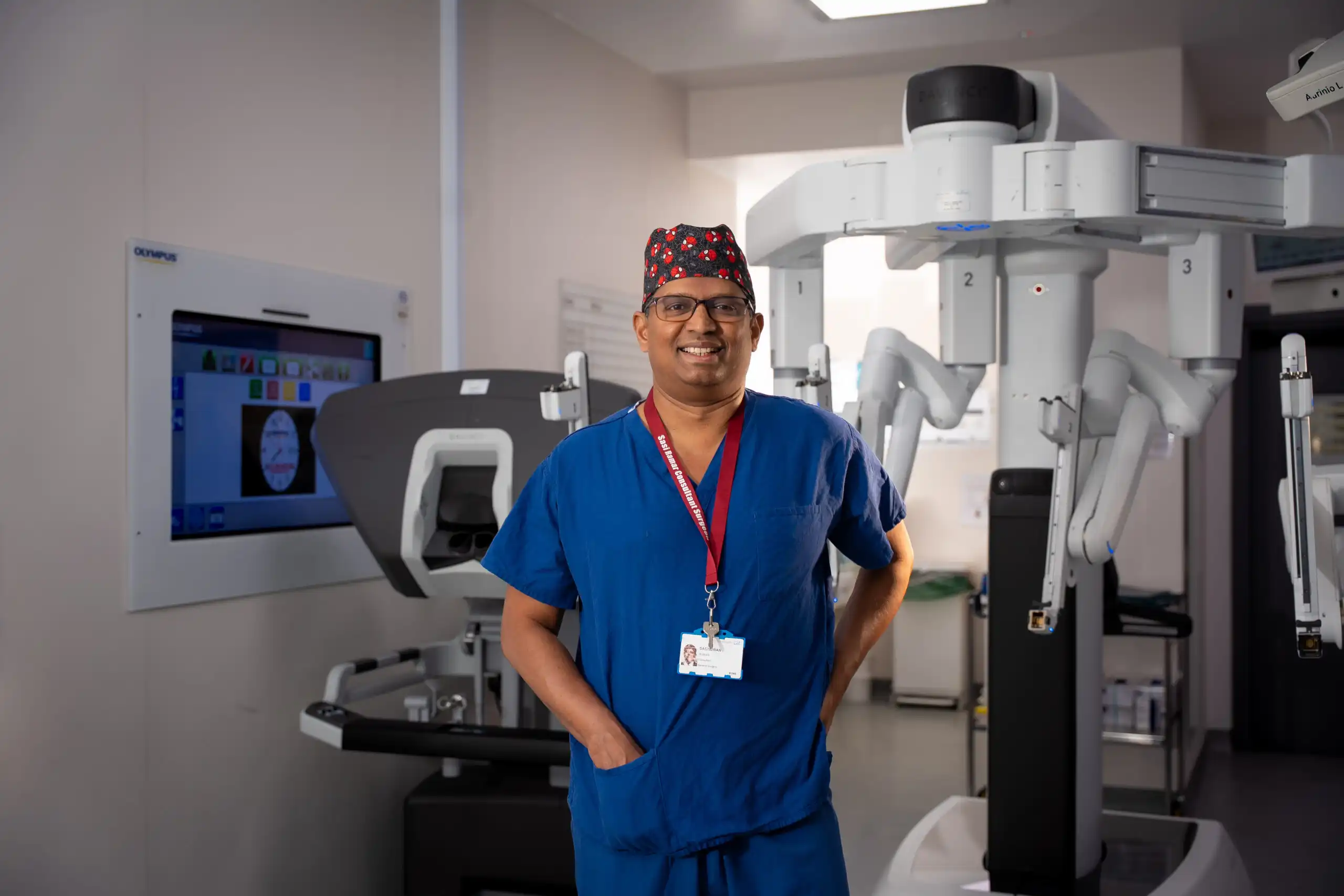
Robotic surgery has become a defining feature of modern surgical practice, offering precision, control, and consistency that were once unimaginable. At King’s College Hospital in London, robotic surgery is embedded within advanced clinical care pathways, delivering complex procedures with remarkable accuracy. Under the expertise of surgeons such as Mr Sasindran Ramar, robotic surgery is reshaping how patients experience treatment, recovery, and long-term outcomes across the UK.
This article explores what robotic surgery involves, why it plays a vital role in contemporary healthcare, when it is recommended, and where patients can access this advanced approach at King’s College Hospital.
What Is Robotic Surgery
Robotic surgery is a form of minimally invasive surgery where the surgeon operates using a robotic system that translates hand movements into highly refined actions inside the patient’s body. Despite the name, the robot does not act independently. Every movement is controlled by the surgeon, seated at a console that offers a magnified three-dimensional view of the surgical field.
At King’s College Hospital, robotic systems are used to enhance surgical precision in procedures that demand fine control and careful tissue handling. The robotic instruments are designed to move with greater flexibility than the human hand, allowing access to areas that are traditionally difficult to reach through conventional surgery.
For patients, this means smaller incisions, reduced trauma to surrounding tissues, and a surgical experience that prioritises accuracy. For surgeons like Mr Sasindran Ramar, robotic surgery provides an extension of their skill, enabling meticulous work that aligns with the highest standards of modern surgical care.
Why Robotic Surgery Matters in Modern Healthcare
The importance of robotic surgery lies not only in its technological sophistication but in its tangible benefits for patients. Traditional open surgery often involves large incisions, longer hospital stays, and extended recovery periods. Robotic surgery changes this landscape by offering a less invasive alternative without compromising clinical effectiveness.
At King’s College Hospital, robotic surgery supports faster recovery times, reduced post-operative discomfort, and lower risk of complications for suitable patients. The enhanced visual clarity allows surgeons to identify critical structures more clearly, which is particularly important in complex procedures where precision is essential.
From a clinical perspective, robotic surgery also promotes consistency. The robotic system filters out natural hand tremors and enables controlled, deliberate movements. This level of refinement supports better surgical outcomes and contributes to patient confidence in the treatment process.
For patients in London and across the UK, access to robotic surgery at a leading institution such as King’s College Hospital represents a commitment to innovation grounded in patient safety and evidence-based practice.
The Role of Expertise in Robotic Surgery
While advanced technology is central to robotic surgery, the surgeon’s expertise remains the most critical factor. Robotic systems enhance skill, but they do not replace clinical judgement, experience, or decision-making.
Mr Sasindran Ramar is a surgeon with a focused interest in robotic surgery, working within established clinical frameworks that prioritise patient outcomes. His approach combines technical proficiency with a clear understanding of individual patient needs, ensuring that robotic surgery is used where it offers genuine benefit.
At King’s College Hospital, robotic surgery is delivered by trained specialists who undergo extensive preparation before performing procedures independently. This emphasis on training and governance ensures that patients receive care that meets rigorous clinical standards.
When Robotic Surgery Is Recommended
Robotic surgery is not suitable for every patient or every condition. Its use is carefully considered based on medical need, overall health, and the nature of the surgical procedure required.
Patients may be recommended for robotic surgery when a minimally invasive approach is expected to reduce recovery time or improve surgical accuracy. This is often the case in procedures involving confined anatomical spaces or delicate structures where enhanced visualisation is advantageous.
At King’s College Hospital, the decision to proceed with robotic surgery follows thorough consultation and assessment. Surgeons such as Mr Sasindran Ramar evaluate each case individually, discussing potential benefits, limitations, and expected outcomes with patients before any treatment plan is finalised.
Timing also plays a role. Robotic surgery may be planned electively or recommended as part of a structured treatment pathway. In each situation, patient safety and clinical appropriateness guide the decision-making process.
Where Robotic Surgery Takes Place at King’s College Hospital
King’s College Hospital is recognised as a major centre for specialist care in London, offering advanced surgical facilities supported by multidisciplinary teams. The hospital’s investment in robotic technology reflects its commitment to delivering high-quality care aligned with modern medical standards.
Robotic surgery suites at King’s College Hospital are designed to support complex procedures while maintaining strict safety protocols. These environments allow surgeons to operate with precision, supported by skilled theatre staff and advanced imaging systems.
For patients in the UK, receiving robotic surgery at King’s College Hospital means access to a well-established healthcare setting with a reputation for clinical excellence. The location in London also makes the hospital accessible for patients seeking specialist surgical care within a trusted NHS and private healthcare framework.
Patient Experience and Recovery
The patient journey through robotic surgery is shaped by careful planning, clear communication, and structured aftercare. From initial consultation to post-operative follow-up, patients are guided through each stage of the process.
One of the defining features of robotic surgery is its impact on recovery. Smaller incisions typically result in less discomfort and quicker mobilisation after surgery. Many patients are able to return to normal activities sooner than they might expect following traditional surgical approaches.
At King’s College Hospital, post-operative care is coordinated to support recovery while monitoring for any complications. Surgeons such as Mr Sasindran Ramar maintain continuity of care, ensuring that patients feel supported beyond the operating theatre.
Robotic Surgery and the Future of Surgical Care
Robotic surgery continues to evolve, driven by ongoing research, training, and technological refinement. At institutions like King’s College Hospital, robotic surgery is not viewed as a novelty but as an integral component of future-focused healthcare.
As techniques develop and experience grows, robotic surgery is expected to expand into additional areas of surgical practice. The emphasis remains on delivering measurable benefits for patients while maintaining the highest standards of safety and clinical governance.
For surgeons committed to advancing patient care, robotic surgery represents a meaningful step forward. Under the guidance of experienced practitioners such as Mr Sasindran Ramar, this approach continues to shape the future of surgery in London and across the UK.
Frequently Asked Questions
What makes robotic surgery different from traditional surgery
Robotic surgery allows surgeons to perform procedures using advanced instruments that provide enhanced precision and visual clarity. The surgeon remains fully in control while benefiting from improved dexterity and magnification.
Is robotic surgery safe for patients
Robotic surgery is considered safe when performed by trained surgeons in appropriate clinical settings. At King’s College Hospital, strict protocols and experienced surgical teams ensure patient safety throughout the process.
Who performs robotic surgery at King’s College Hospital
Robotic surgery is carried out by qualified surgeons with specialist training. Mr Sasindran Ramar is among the practitioners involved in delivering robotic surgery within structured clinical pathways.
How long does recovery take after robotic surgery
Recovery time varies depending on the procedure and the individual patient. Many patients experience a quicker return to normal activities compared to traditional open surgery.
Is robotic surgery available in the UK
Yes, robotic surgery is available in the UK, particularly at specialist centres such as King’s College Hospital in London, where advanced facilities support complex surgical care.